Why Real-Time Technical Monitoring Is No Longer Optional

The 2026 Search Environment and modern business sectors
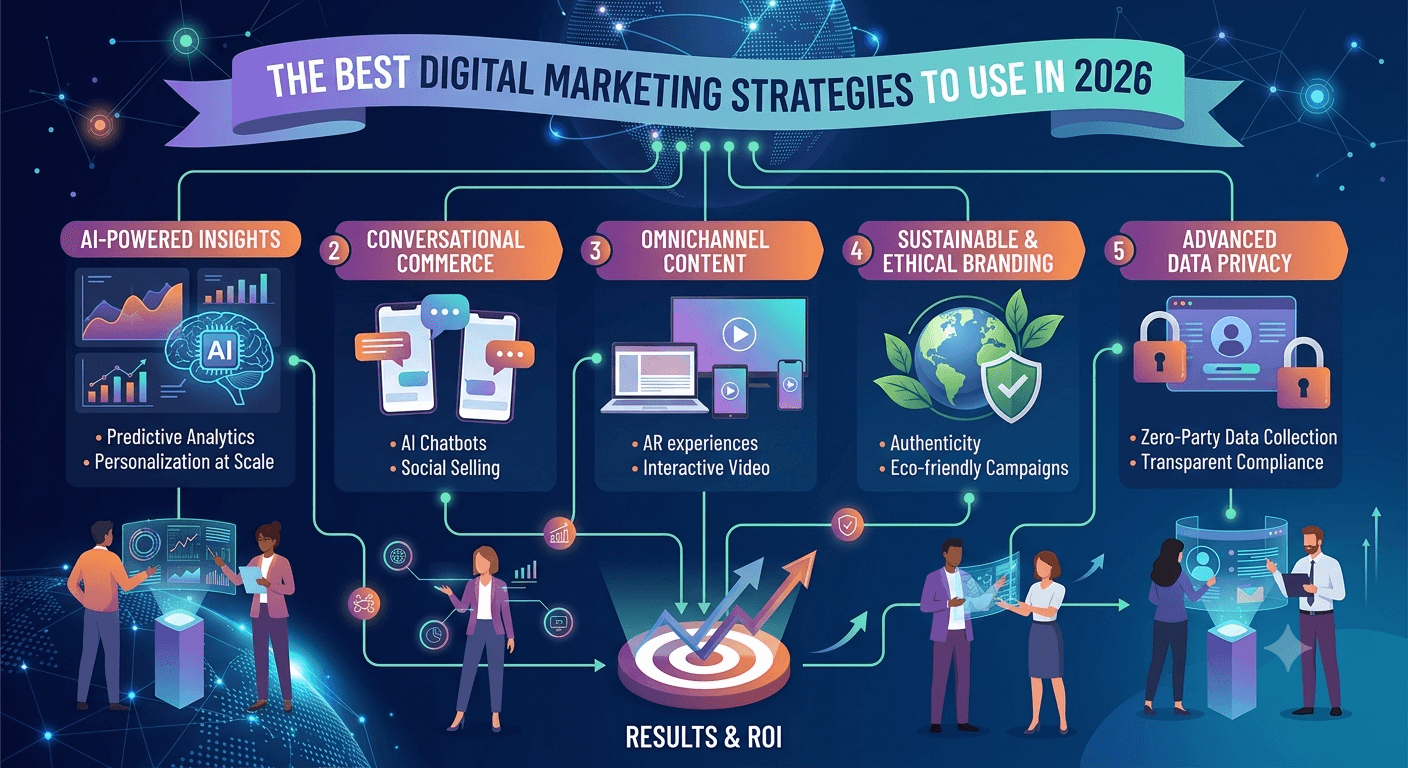
Search engines in 2026 have shifted from simple keyword matching to a complex understanding of intent and entity relations. This shift forces a move away from static, repetitive content strategies toward a more varied approach. Automation now plays a central role in maintaining visibility, but the methods have changed. High-volume, identical content no longer passes the quality thresholds set by modern algorithms. Instead, the focus has moved to diversification of both the message and the source of authority.
Successful rankings in the current year depend on the ability to produce content that covers a topic from multiple angles. This involves generating data-driven reports, opinion pieces, and technical guides that do not simply repeat the same facts. Automated systems are now capable of synthesizing information from various data streams to create unique perspectives. This variety signals to search engines that a site provides genuine value across a broad spectrum of user queries.
Link diversification has also seen a significant change. The days of acquiring links from a single type of source are over. Algorithms now look for a natural distribution of citations across different types of domains and platforms. This includes news sites, industry-specific forums, and academic repositories. AI agents help by identifying these opportunities through the analysis of vast amounts of web data, finding relevant contexts that a human researcher might miss.

Synthetic Content as a Tool for Variety
Generating content at scale remains a priority for businesses seeking to maintain a presence in international markets. However, the quality requirements in 2026 are strict. Simple spinning or basic rewriting of existing articles leads to rapid de-indexing. Modern automation tools use complex models to ensure that each piece of content has a high "uniqueness score" and provides a different entry point for readers.
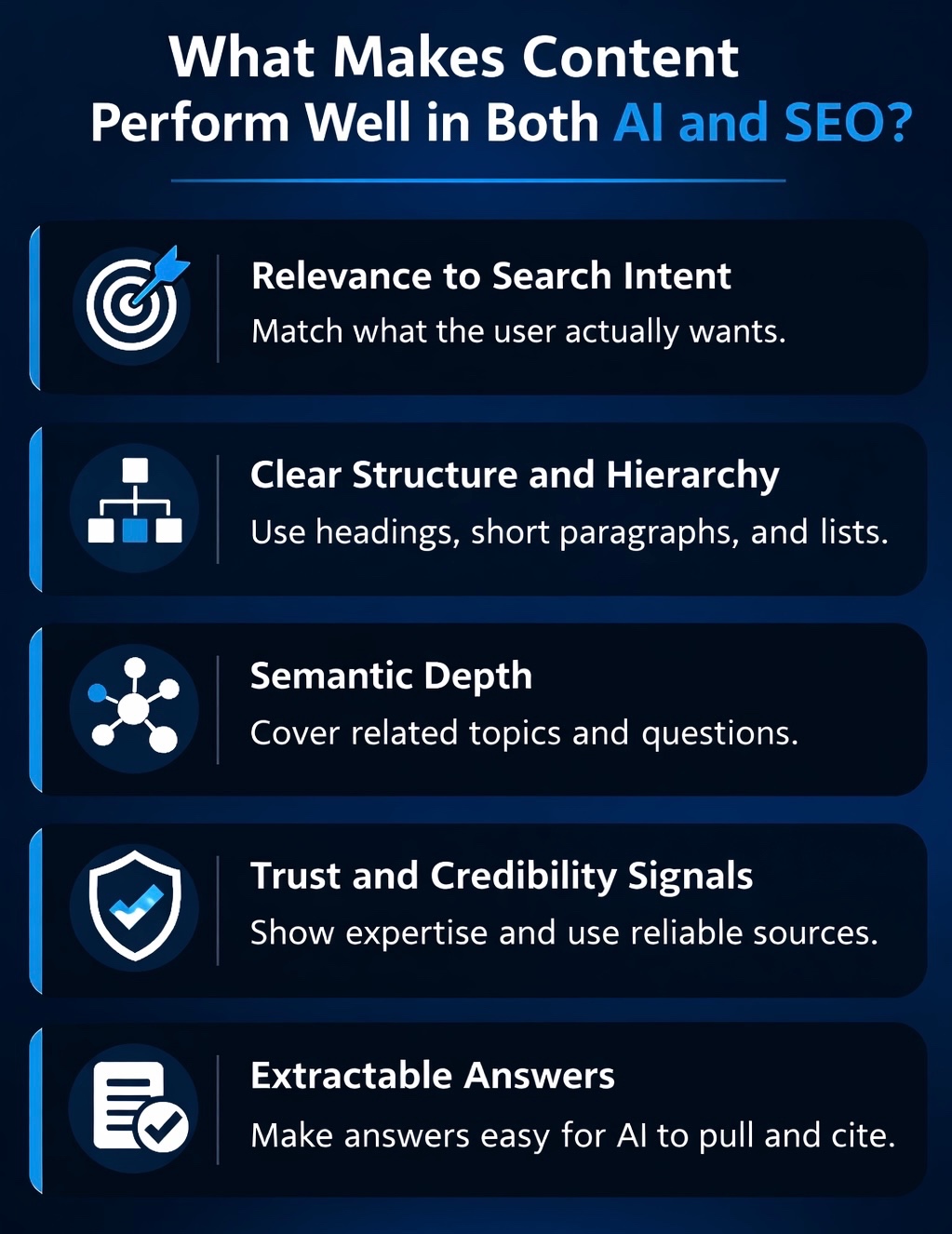
This diversification happens at the semantic level. Instead of focusing on a single primary keyword, AI models map out an entire topic. They identify sub-topics, related questions, and tangential interests. For example, a site focused on professional solutions might generate content that addresses technical specifications, user case studies, and comparative analysis of different methodologies. This multi-angled approach ensures that the site covers the entire search intent for a given topic.
The use of different media formats also contributes to content variety. Automated systems now assist in creating charts, data visualizations, and summarized audio scripts based on textual data. This multi-modal approach is a key factor in how search engines rank sites today. A page that contains diverse formats is often viewed as more authoritative because it caters to different user preferences and accessibility needs.
Automating Natural Link Profiles in diverse markets
The acquisition of backlinks has become more sophisticated as search engines have improved their ability to detect artificial patterns. In 2026, a link profile that grows too quickly or consists of only one type of anchor text is a red flag. Automation is used to pace link acquisition and to find a wide array of linking domains. This creates a profile that mimics the natural growth of a popular website.
AI tools now analyze the link graphs of top-performing sites to understand what a "natural" profile looks like for a specific niche. They look at factors such as the ratio of follow to no-follow links, the variety of top-level domains, and the geographical distribution of the linking servers. By mimicking these patterns, automated systems can build authority without triggering spam filters.
Finding these opportunities requires deep analysis of web mentions and citations. AI agents can scan social media, news feeds, and specialized databases to find where a brand or topic is being discussed. This allows for the placement of links in contexts where they add actual value to the reader. Businesses often find that the integration of Asia Virtual Solutions Video into these workflows helps maintain a steady flow of relevant traffic.
Managing Data Sets for professional results
The foundation of any automated strategy in 2026 is the data that feeds the AI models. Clean, high-quality data leads to better content and more accurate link targeting. Organizations now spend more time curating their internal data sets to ensure their automated outputs are grounded in fact. This prevents the "hallucinations" that were common in earlier versions of generative technology.
Content diversification relies on having access to diverse data points. This might include market trends, customer feedback, or real-time performance metrics from digital tools. When an AI system has access to these varied inputs, it can produce content that is far more relevant than generic articles. This relevance is what search engines use to determine which sites should stay at the top of the rankings.
Maintaining a competitive edge also requires monitoring the performance of automated content. AI systems can now track which types of content are gaining the most traction and adjust the production schedule accordingly. If data-driven reports are performing better than opinion pieces in a specific region, the system can shift its focus to capitalize on that trend. This real-time optimization is essential for sustainable rankings in a fast-moving environment.
The Shift Toward Multi-Format Content Nodes
In 2026, the concept of a "web page" has evolved into a "content node." These nodes are designed to be consumed by both humans and AI search assistants. To succeed, these nodes must be highly structured. Using standardized schemas and clear hierarchies allows search engines to easily parse the information and present it in various formats, such as voice search results or AI summaries.
Diversification also means preparing content for different devices and interfaces. A content node might have a short summary for mobile users, a detailed technical breakdown for desktop users, and a set of bullet points for AI assistants. This level of preparation ensures that the content remains visible regardless of how the user is searching. Many companies focusing on Asia Virtual Solutions Video have adopted these multi-format strategies to reach wider audiences.
The role of the human editor in this process has changed. Instead of writing every word, editors now act as architects of the content strategy. They define the parameters for the AI, verify the accuracy of the data, and ensure that the tone remains consistent with the brand. This human-in-the-loop approach is necessary to provide the nuance and ethical oversight that fully automated systems sometimes lack.
Sustainable Growth and the sector
Sustainability in search rankings is no longer about finding a single trick that works. It is about building a system that can adapt to constant changes in algorithm behavior. In 2026, this means having a diversified portfolio of content and links that can withstand the loss of any single source of traffic. Automated diversification provides the scale needed to build this kind of resilience.
One of the biggest risks to search visibility is an over-reliance on a single platform or content type. If a search engine changes how it treats a specific kind of backlink, a site with a narrow link profile could see its rankings vanish overnight. A diversified profile, managed by intelligent automation, spreads this risk across hundreds of different sources. This makes the overall authority of the site much harder to disrupt.
As the year 2026 continues to see advancements in machine learning, the gap between those who use sophisticated automation and those who rely on manual processes will likely widen. The ability to quickly generate diverse, high-quality content and acquire a variety of relevant links is the defining factor of success. This strategy does not just aim for temporary spikes in traffic but focuses on building a long-term presence in the digital environment.
Strategic Implementation in the global market
Implementing these strategies requires a clear understanding of the technical requirements. Content must be served from fast, reliable servers and must be optimized for the latest web standards. Automation tools should be integrated directly into the content management system to allow for rapid updates and adjustments. This technical foundation is as important as the content itself.
Monitoring the competition is another area where AI provides a significant advantage. Automated tools can track the diversification strategies of competitors in real-time, identifying new link sources or content topics that are gaining momentum. This allows a business to react quickly to market shifts and maintain its position in the search results.
The focus on variety also extends to the language and tone of the content. In an international market, automation can help tailor content to different cultural contexts without the need for manual translation and localization for every single piece. By adjusting the semantic markers and examples used in the content, AI can make a single topic relevant to many different audiences. This level of scale is what makes automated diversification the most effective path for businesses in 2026.